Get ahead of the crowd with personalization that is as unique as your customers' face
Personalization is this decades term in online shopping. Delivering a single, broad experience for everyone is no longer enough for your web store. While there are various technologies available, one has been missing: image-driven digital style & color advice.
Sometimes, less is more. And the “right less” is even more. Lots of online stores do have an enormous product range, which can overwhelm their customers. It’s the “burden of choice”. When walking through a local clothing store, a customer can quickly scan a lot of products and narrow the choice in seconds. However, on online stores you might end up endlessly scrolling and eventually leaving the site.
By narrowing the selection for your online customers to products that are relevant to them you can significantly increase your metrics and conversions. And with the new Styleriser technology, this becomes more than an aspirational guess.
Personalization vs Customization
When it comes to offering a more relevant experience to a user, this two terms often get confused. Customization is about adding an extra personal touch to a product or selecting the favorites amongst various available options. It’s done by the user and requires their efforts.
Personalization, on the other hand, is done for the user. A service changes to anticipate, what will be relevant to a user. Usually, this happens behind the scenes and is based on data.
Typical data points are:
- Individual data: purchase history, browse history, search history, social engagement ...
- demographic, age, gender, region, …
The quality of personalization offered relies on the quality and density of data available.
The effect of personalization in fashion & retail
According to BCG, customers respond very positively to personalization:
- they’re 110% more like to add more items to basked then planned
- 40% more likely to spend more money then planned
- 20% higher net promoter score from customers, that experienced a high level personalization then those who a low level of personalization.
“It suits me” — that’s always the ultimate buying decision for clothing. Giving a user confidence about colors they’re shopping improves conversion rates even more.
Why Personalization isn’t optional any more
Despite the significant improvement of conversion rates, there is more to it. Staying away from the topic not just lowers your chances, it might even cost you a lot of money.
Decreasing Product Returns
Product returns have become a plague. According to Statista the costs of return deliveries worldwide are 642 billion dollars. In a current GDP-ranking, this would be Nr. 21. Styleriser is here to help: users making informed decisions about the colors reduces returns significantly.
Increase brand awareness
Customers experiencing good personalization are more likely to recommend or promote your brand. As mentioned above, net promoter score is 20% higher in that case. In contrast, if done bad, it won’t help you or even hurt your brand. Styleriser’s technology will make the experience of your brand outstanding, customer feeling uplifted with clothing suiting them will most likely talk about it.
Better targetting
Personalization means learning about your customers. Knowing more allows for more precise targeting of personalized suggestion, expecting higher click-trough-rates and better costs-per-click. Styleriser brings a total new metric into the game: colors preferences that scientifically suit the buyer.
Source: BCG
A total new opportunity: AI-powered color & style advice
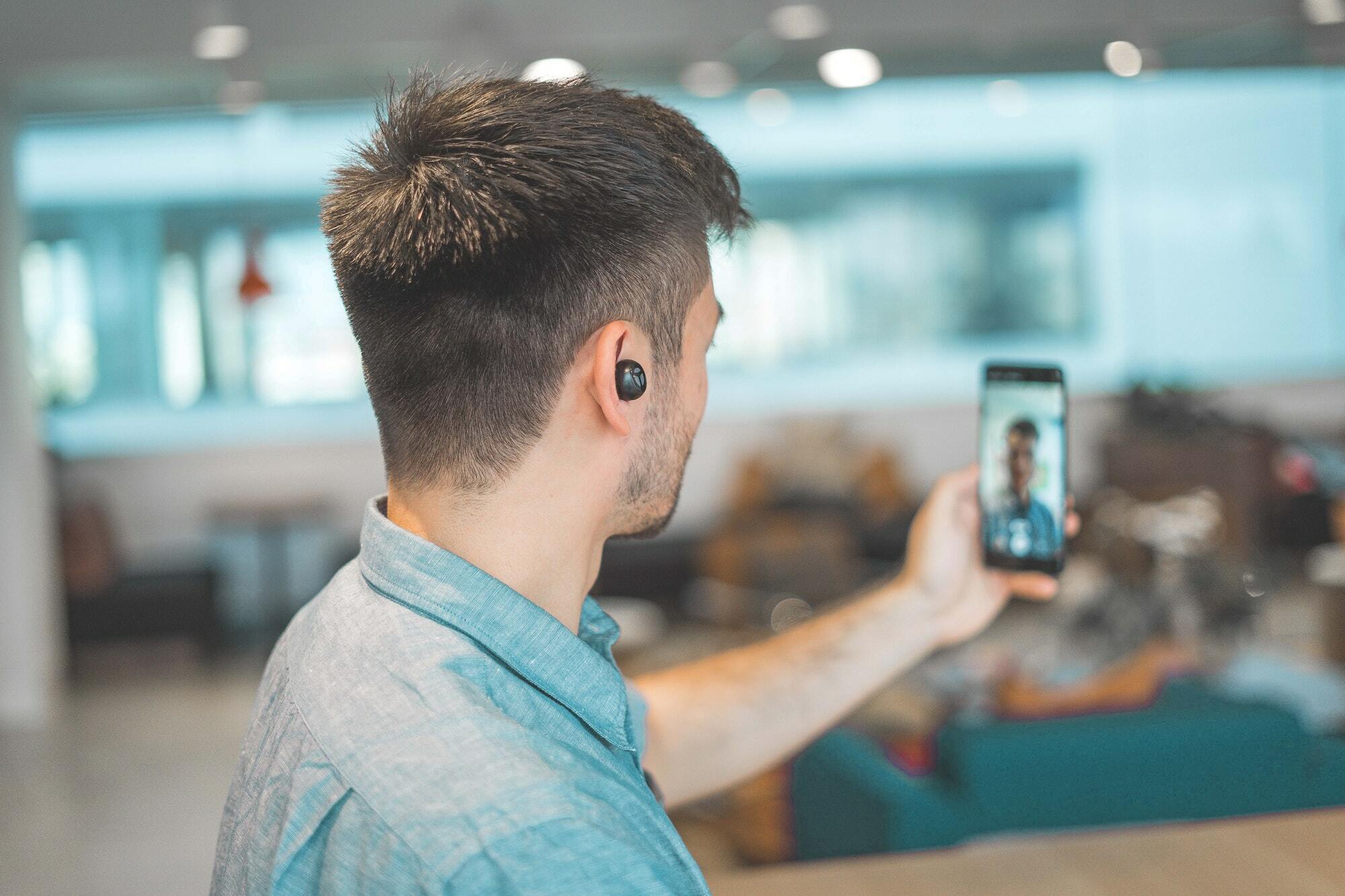
Styleriser opens a new world of possibilities in personalization for fashion e-commerce. Based on a selfie of the users face their best-suiting colors will be determined. As this is a automated style & color-consolation, presented clothing will be scientifically looking best on them.
- More confidence over buying choices will lead to better conversions
- Better-suiting purchases will decrease return rates
- Better shopping experiences results in return customers, brand loyalty and brand recommendations
- Knowing color preferences that aren’t just based on historic purchases, there are a lot new targetting possibilities

Decreasing Product Returns

Increase brand awareness